Efficient Basement Execution
Revitalize Your Space: Crucial Insights Regarding Home Renovation Work for All Property Owners
Residents commonly search for methods to enhance their living spaces via professional remodeling. Such undertakings may vary from kitchen upgrades to complete home renovations. Understanding the options available is crucial for deciding wisely. Furthermore, there exist real-world factors including financial planning and selecting the professional examine guide contractor. As homeowners commence on this journey, they may find themselves facing unforeseen difficulties. Achieving a successful makeover requires meticulous preparation and implementation. What are the next necessary steps?
Grasping the Diverse Forms of Residential Renovation Work
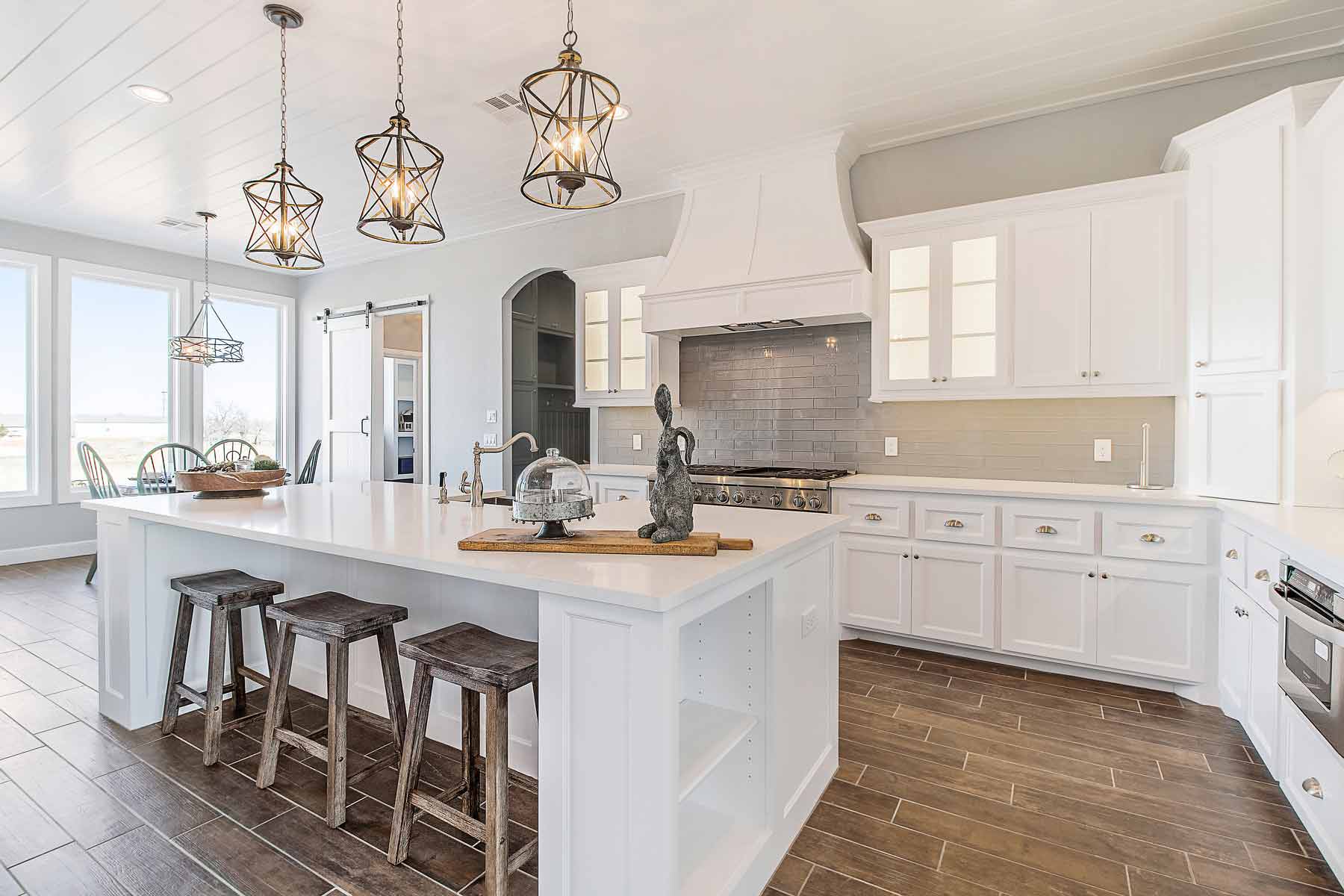
When homeowners consider renovating their living spaces, they typically find numerous renovation options designed for specific preferences and preferences. These projects are generally grouped into several types, each addressing specific aspects of home improvement. Renovating the kitchen involves updating appliances, the cabinets, and layouts to improve usability and the look. Renovating the bathroom usually includes updating the hardware, tiles, and storage solutions for greater ease and design.
Full-house renovation covers significant changes throughout the residence, frequently involving changing the structure to maximize the area and flow. Outdoor renovation projects, in contrast, focus on boosting the home's outward appearance, addressing siding, the covering, and the yard. Moreover, niche projects including converting the cellar and attic conversions enable property owners to utilize fully unused areas. All these service types provides distinct advantages, letting residents pick services that match their goals for their residence. Understanding these distinctions is vital for making informed decisions during the renovation process.
Creating an Attainable Financial Limit for Your Remodeling Project
What steps ensure their renovation work stays within budget? Establishing a realistic budget is crucial. Homeowners should begin by assessing their monetary resources, like savings and available loan choices. This first stage will help determine how much can be allocated for the remodel without jeopardizing other monetary duties.
Subsequently, property owners need to look into the financial requirements of their intended changes, including materials, labor, and surprise expenses that tend to crop up. Developing a comprehensive priority list helps with identifying must-haves versus nice-to-haves, allowing for adjustments if the budget tightens.
It is smart to incorporate a reserve fund, usually about 10-20% of the overall cost, to handle unforeseen expenses. Frequently checking and modifying the budget as the updating work progresses can further assist in keeping finances in check. Ultimately, a well-planned budget does more than just confirm the project can be done but also improves the entire renovation process for homeowners.
Choosing the Right Contractor for Your Needs.
Selecting the right contractor can significantly affect the outcome of an updating effort. Homeowners should begin by doing comprehensive research, asking for referrals from friends, family, or internet reviews. It is essential to confirm documentation, including licenses, insurance, and bonding, to confirm legitimacy.
Once potential contractors are identified, property owners must ask for comprehensive quotes and schedules, making it possible to compare options knowledgeably. Meeting with them offers a look at their manner of communicating and their professional conduct, that are key to a cooperative effort.
Furthermore, examining previous work via portfolios or referrals demonstrates the professional's skill level. Property owners must also ask about guarantees or assurances, which shows the professional's belief in their output.
In the end, choosing a professional who matches the homeowner's goals, finances, and schedule fosters a more positive remodeling experience, ensuring the work fulfills requirements and successfully updates the home's interior.
Planning and Designing Your Ideal Space.
As those renovating imagine their desired rooms, meticulous organization and deliberate design form vital parts of a successful remodeling project. The first step involves evaluating current needs and future aspirations, to gain a complete comprehension of the area's utility. It is important for homeowners to weigh practicality, visual appeal, and personal style, to guarantee the design showcases their distinctive choices.
Following this, creating a detailed budget is vital. This budget should cover supplies, workforce costs, and possible unexpected costs. Consulting with design experts can provide valuable insights, assisting in improving the layout and respecting budgetary constraints.
Including features such as natural light, spacious designs, and eco-friendly supplies can elevate the living environment. In conclusion, visualizing the project through sketches or digital renderings can assist in finalizing plans before starting the work. By thoughtfully tackling the design and planning stage, homeowners can build a comfortable, effective space suited to their way of life.
Navigating Permits and Regulations in Residential Projects
Understanding the complexities of permits and regulations can be daunting for homeowners embarking on a renovation. Every local government sets particular guidelines that determine what is allowed during renovations, often influenced by area restrictions, building codes, and safety standards. Owners need to acquaint themselves with local regulations so they don't incur hefty fees or construction hold-ups.
Typically, obtaining permits is crucial for significant alterations, such as structural changes or electrical work. This process frequently requires submitting blueprints for approval and might demand site visits at various stages.
Working with a skilled professional can streamline these steps, as they are often familiar with local codes and can aid in filing necessary forms. It is important for homeowners to communicate regularly with the city's regulatory body to ensure adherence throughout the project. By comprehending and working within these rules, homeowners can fulfill their improvement aims and maintaining compliance with the law in their renovations.
Common Queries
How Long Does a Typical Home Remodeling Project Take?

A standard home renovation generally requires three to six months on average, depending on the scope of work, size of the home, and availability of materials. More involved renovations might need extra time for completion.
What's the best way to avoid frequent blunders that people make when renovating?
Frequent errors during remodeling include miscalculating costs, not securing the required permissions, overlooking timelines, not maintaining clear communication with contractors, and not considering long-term functionality. Knowing these potential problems can lead to a smoother, more successful renovation project.
How should I go about choosing the best supplies for the job?
Choosing the right materials involves evaluating their resilience, aesthetics, and budget. Investigating available choices, talking to specialists, and thinking about upkeep will significantly help in making informed decisions, to guarantee the project fits your functional and aesthetic goals.
Will I be able to reside in my property throughout the construction phase?
It is possible to remain in the house during renovations, but it could be uncomfortable. Detailed organization, clear communication with contractors, and designating specific areas where you can live normally will reduce the inconvenience during the process.
What kind of coverage should be provided from remodeling contractors?
Clients typically receive warranties covering workmanship, the supplies used, and structural components, often covering a period of one to ten years. It is essential to examine the exact provisions in partnership with the renovation company to clearly grasp what is covered and what is excluded.